Improving your home’s value can be both practical and rewarding, whether you plan to sell soon or simply want to build long-term equity. Strategic upgrades, thoughtful maintenance, and attention to modern buyer preferences can make a remarkable difference. The key is to focus on projects that balance cost, appeal, and return on investment while maintaining your home’s character.
What Are the Most Cost-Effective Ways to Add Value to a Home?
The most cost-effective ways to increase home value often come down to maintenance and visual appeal. Fresh paint, updated lighting, and curb appeal improvements are relatively inexpensive yet can significantly enhance the home’s overall presentation. Neutral paint colors and modern fixtures can make rooms feel larger, brighter, and more welcoming, appealing to a wide range of buyers.
Minor kitchen or bathroom updates are also strong value boosters without requiring full remodels. Replacing outdated faucets, hardware, or lighting, as well as refinishing cabinets and countertops, can give the space a more modern feel at a fraction of the cost of renovation. Landscaping upgrades, such as trimming overgrown trees, planting seasonal flowers, or adding fresh mulch, can make a lasting first impression.
Regular upkeep, such as servicing HVAC systems, sealing windows, and repairing minor issues before they worsen, also adds hidden value. Buyers appreciate homes that are well cared for, as it signals reliability and reduces future repair concerns. In the end, small, consistent improvements often yield the greatest long-term return, particularly when they enhance both beauty and functionality.
How Much Impact Does Curb Appeal Have on Property Value?
Curb appeal has a substantial impact on property value because it creates the first impression that sets the tone for how buyers perceive the rest of the home. A clean, well-maintained exterior can add up to 7–10% more value compared to similar homes with neglected yards or exteriors. Simple updates like repainting the front door, replacing old house numbers, or power washing the siding can make a home look refreshed and cared for.
Landscaping is equally influential. A lush lawn, neatly edged walkways, and colorful planters convey pride of ownership and invite people in. Outdoor lighting can further enhance safety and visual appeal, particularly for evening showings. Even small investments—like adding solar path lights or a new mailbox—can elevate the home’s look.
Beyond aesthetics, curb appeal also suggests that the home has been maintained structurally. For instance, clean gutters, a repaired roofline, and a well-kept driveway can signal that the homeowner has been attentive to overall upkeep. Buyers often decide within moments of arrival whether a property feels right, so attention to exterior presentation is one of the simplest, highest-impact ways to add immediate value.
Which Interior Upgrades Offer the Highest Return on Investment?
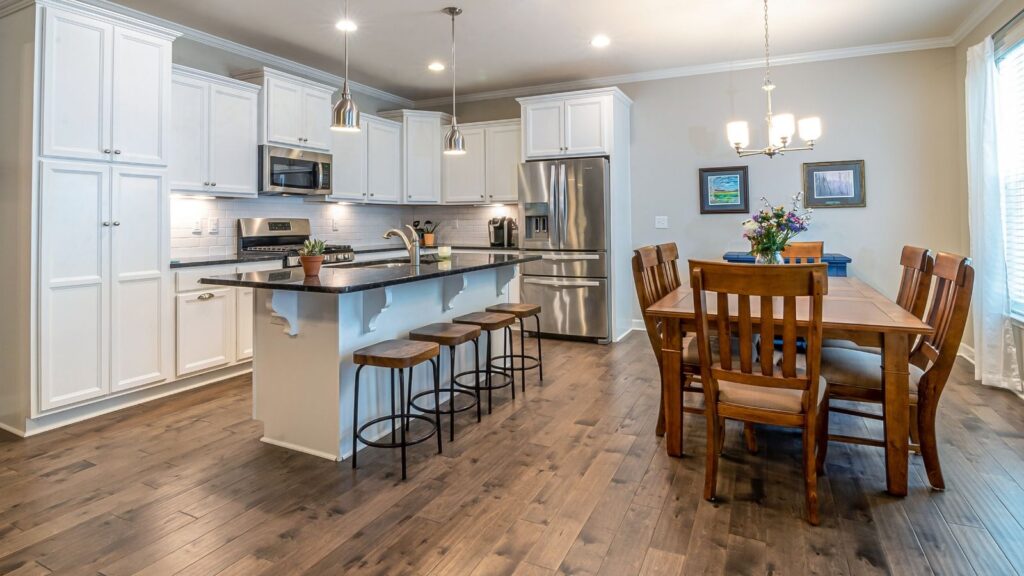
Interior upgrades with the highest return on investment are typically those that enhance functionality and aesthetic appeal without requiring major reconstruction. Kitchens consistently lead in ROI potential, especially when improvements focus on midrange updates rather than full remodels. Replacing outdated appliances with energy-efficient models, installing modern countertops, or adding a tile backsplash can rejuvenate the space.
Bathrooms are a close second, where small changes can yield impressive returns. Updated vanities, mirrors, and fixtures modernize the space and add everyday comfort. Flooring replacements, especially switching from worn carpet to luxury vinyl plank or hardwood, can also dramatically improve perceived quality.
Energy-efficient improvements, such as better insulation or double-pane windows, appeal to modern buyers conscious of utility costs. Smart home features like programmable thermostats and security systems are increasingly seen as desirable. These updates signal that the home is up-to-date and convenient, helping it stand out in competitive markets. The best investments are those that blend comfort, efficiency, and contemporary design in ways that enhance both daily living and resale appeal.
Do Energy-Efficient Upgrades Really Add to Home Value?
Energy-efficient upgrades do increase home value because they lower operating costs and appeal to environmentally conscious buyers. Improvements like new windows, upgraded insulation, and energy-efficient HVAC systems reduce monthly utility bills and make a property more attractive long term. Energy-efficient homes often sell faster and at higher prices than those without these features.
Solar panels are a major example, providing both financial and ecological benefits. While the initial investment can be high, the long-term savings often offset the cost, especially in sunny regions. LED lighting, low-flow plumbing fixtures, and Energy Star-rated appliances are smaller yet impactful upgrades that reflect modern sustainability standards.
Beyond cost savings, these enhancements improve comfort by maintaining consistent indoor temperatures and better air quality. Buyers increasingly look for homes that reflect environmental responsibility without sacrificing convenience. A home with lower monthly expenses and reduced environmental impact stands out, giving sellers an edge in markets where buyers value sustainability.
How Important Is Kitchen Remodeling for Increasing Value?
Kitchen remodeling remains one of the most influential ways to increase home value, as it’s often viewed as the heart of the home. A modern, functional kitchen can increase resale value by up to 10–15%, depending on the scale and quality of the renovation. The key is to focus on upgrades that balance design with practicality.
Replacing old countertops with quartz or granite, installing a tile backsplash, and adding updated cabinetry can make a lasting impact. Energy-efficient appliances not only look sleek but also signal cost-conscious living. Open shelving, improved lighting, and thoughtful storage solutions add to the sense of space and usability.
However, it’s not always necessary to do a full renovation. A minor kitchen remodel—such as refinishing cabinets, swapping hardware, or updating flooring—can yield a higher percentage return because of the lower cost. A bright, clean, and updated kitchen immediately captures attention during showings, making it one of the smartest investments for adding value and appeal.
What Role Does Maintenance Play in Protecting Home Value?
Ongoing maintenance is essential in preserving and increasing a home’s value over time. A property that receives consistent care not only prevents costly repairs but also reassures future buyers that it has been responsibly managed. Ignoring maintenance tasks, even small ones, can lead to larger issues that lower property value and create red flags during inspections.
Regular roof inspections, gutter cleaning, and HVAC servicing ensure systems remain in good working order. Plumbing and electrical maintenance also keep the home running efficiently while preventing safety hazards. Replacing worn caulking, sealing cracks, and maintaining paint all protect against water damage and structural deterioration.
Keeping maintenance records is another valuable practice. Documented care helps demonstrate to buyers that major systems and structural elements have been properly maintained. A well-documented history can set one property apart from others, increasing buyer confidence and supporting a higher selling price. Ultimately, proactive upkeep protects investment and maintains the home’s appeal year after year.
Are Outdoor Living Spaces Worth the Investment?
Outdoor living spaces add considerable value because they extend the home’s usable square footage and enhance lifestyle appeal. Features like patios, decks, and pergolas create inviting areas for entertaining, relaxing, and dining, which modern buyers highly value. Well-designed outdoor spaces can yield returns of up to 70–80% on investment, depending on quality and materials.
Adding comfortable seating areas, built-in lighting, and weather-resistant landscaping features creates a sense of flow between indoor and outdoor living. Outdoor kitchens, fire pits, and privacy fencing can elevate these areas even further, particularly in regions where outdoor living is possible most of the year.
Even modest upgrades, such as a freshly stained deck or new pavers, can make a strong impression. Buyers view outdoor areas as an extension of the home, and those that are thoughtfully designed and well-maintained can tip the balance in favor of a higher offer. Functional outdoor living is now a sought-after standard rather than a luxury, making it a wise investment for both enjoyment and resale potential.
How Can Smart Home Technology Boost Property Appeal?
Smart home technology boosts property appeal by offering convenience, efficiency, and security—all key priorities for today’s buyers. Devices like smart thermostats, doorbell cameras, automated lighting, and integrated security systems make daily life easier and safer. These features communicate modernity and preparedness, helping a home feel current and forward-thinking.
Energy management tools that allow homeowners to monitor and control usage remotely are particularly attractive. They not only add comfort but also support cost savings, reinforcing the home’s overall efficiency. Voice-controlled systems and app-based automation appeal to tech-savvy buyers who appreciate seamless connectivity between devices.
Because these upgrades are often affordable and easy to install, they offer a high return on investment. Even smaller additions, such as smart locks or motion-activated lighting, can add sophistication and peace of mind. As more buyers expect these features as standard, integrating smart technology has become an accessible and effective way to add value and differentiate a home in the market.
What Are the Best Long-Term Investments for Sustained Home Value?
The best long-term investments for sustained home value combine structural integrity, efficiency, and adaptability. Upgrading roofing, windows, or insulation not only enhances comfort but also ensures longevity. These elements are less glamorous than aesthetic updates but are crucial in protecting the home from wear and environmental stress.
Investing in quality materials during renovations pays off over time, as durable finishes require less maintenance and withstand changing trends. For example, hardwood floors, stone countertops, and modern tilework retain appeal longer than short-lived design fads. Expanding usable space, such as finishing a basement or converting an attic, adds functional square footage, which directly impacts value.
Adaptability is another important factor. Flexible spaces that can serve as home offices, gyms, or guest rooms hold relevance as lifestyles evolve. Combining energy efficiency, quality craftsmanship, and functional design ensures the home remains competitive in future markets, maintaining strong long-term equity and buyer appeal.
When Is the Best Time to Invest in Home Improvements?
The best time to invest in home improvements depends on both market conditions and personal circumstances. For homeowners planning to sell, making upgrades six months to a year before listing allows time for completion, marketing, and showcasing improvements to potential buyers. For those staying long-term, scheduling projects during off-peak seasons, such as late fall or early winter, can often reduce costs.
Seasonal timing also matters. Exterior projects like painting, roofing, and landscaping are best done in mild weather, while interior upgrades can happen year-round. Budget planning is crucial, so prioritizing improvements that enhance both enjoyment and resale value ensures every dollar is well spent.
Market trends can further influence timing. If home prices in your area are rising, completing upgrades sooner allows you to capitalize on appreciation. The right timing aligns personal goals, financial readiness, and local conditions to create the most favorable outcome, whether you’re preparing to sell or investing for future comfort.
Are You Ready to Increase Your Home’s Value?
Increasing your home’s value starts with smart, intentional improvements that balance beauty, function, and efficiency. Whether you focus on curb appeal, modernizing interior spaces, or upgrading essential systems, each improvement builds equity and enhances enjoyment. When you’re ready to discuss which updates will provide the best return for your home and market, reach out to me to start planning your next steps toward higher value and lasting satisfaction.